
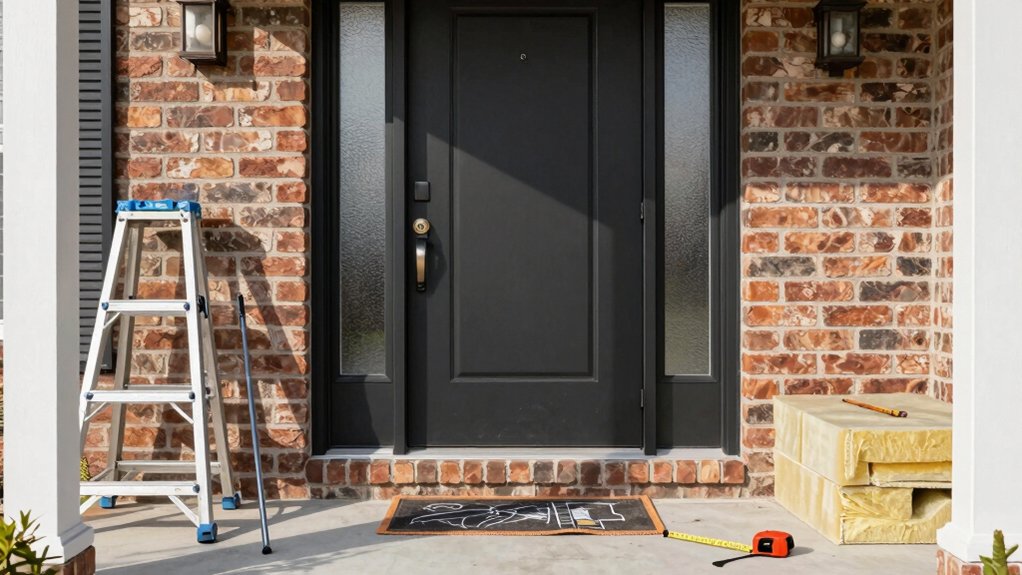
Replacing your front door is one of the most impactful upgrades for curb appeal, energy savings, and security. Expect costs to vary by material and install complexity, from budget-friendly options to premium packages that include tighter tolerances and enhanced hardware. Fiberglass, steel, and wood each offer tradeoffs in insulation, maintenance, and aesthetics. Styles should align with your home’s architecture, while glazing and weatherstripping boost R-values and U-factors. Curious how to optimize your plan further? More details ahead.
The Benefits of Replacing Your Front Door
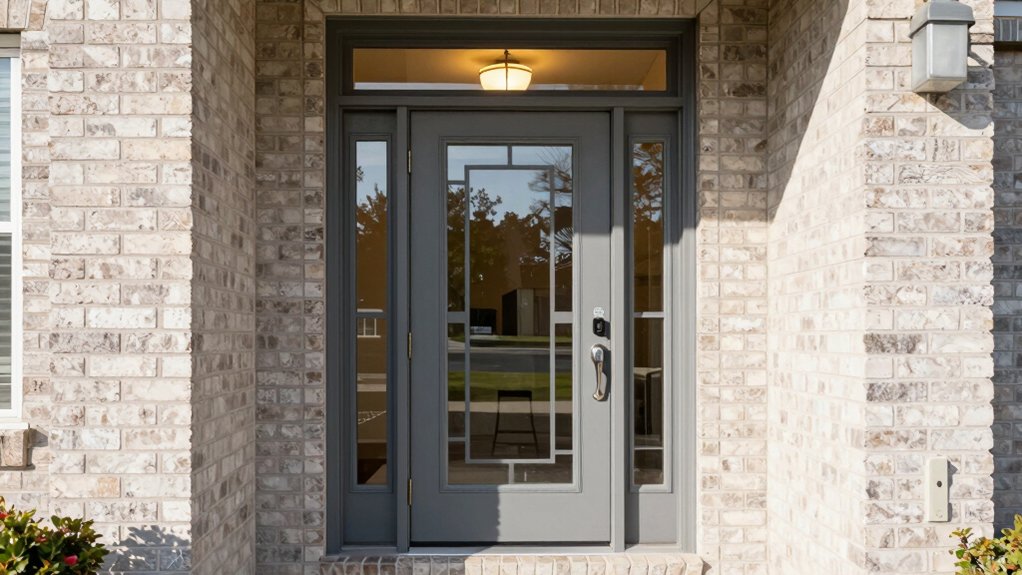
Replacing your front door offers immediate, tangible benefits. You’ll notice improved curb appeal, which reinforces a sense of belonging and pride in your home. A new door often enhances security, delivering peace of mind that lets you greet guests with confidence.
Energy efficiency rises as modern materials cut drafts, stabilize indoor temperatures, and reduce monthly bills—data you can see in long-term savings. The upgraded entry creates a welcoming first impression, guiding visitors toward your decorative accents and cohesive color schemes.
You’ll also gain better lighting outcomes, thanks to optimized glass options and tighter seals that minimize glare and improve visibility. With durable finishes and low maintenance, you free time for the moments that reinforce community and connection.
What A Front Door Replacement Costs (A Budget Starter)
A front door replacement can start with a clear budgeting framework: expect a practical range that balances material quality, labor, and installation complexity. You’ll see entry-level options around modest materials paired with straightforward installs, climbing to mid-range setups that emphasize better insulation and fit, then to premium packages with enhanced hardware and tighter tolerances.
Your cost picture should include removal of the old door, frame adjustments, and weatherproofing techniques to prevent drafts. Door security features, like reinforced hinges or multi-point locks, add value and peace of mind without overcomplicating installation.
Focus on visible details—threshold height, sill maintenance, and precise gaps—to gauge long-term performance. A data-driven approach helps you compare quotes, ensuring you belong in a decision that protects comfort, energy, and curb appeal.
Choosing Your Front Door Material: Fiberglass, Steel, or Wood
Fiberglass offers durability with low maintenance, letting you weigh long-term performance against upfront cost.
Steel boosts security without sacrificing strength, so you can prioritize protection in high-traffic or busy entryways.
Wood delivers distinct aesthetics and customization options, giving you warmth and style while balancing upkeep with your design goals.
Fiberglass Durability Pros
Fiberglass doors endure where other materials falter, thanks to their reinforced cores and resin-infused skins that resist denting, warping, and seasonal expansion. You’ll notice steady performance across temperature swings and UV exposure, with minimal maintenance required to keep aesthetics sharp.
The fiberglass strength translates to consistent sealing, reducing air leaks and boosting year‑round comfort. Durability benefits include high impact resistance and lower warp risk, so your door maintains a clean, tight fit over time.
Visually, you get clean lines and design versatility without settling for compromise. Data shows low long‑term maintenance costs compared with wood or metal, creating a safer, more welcoming entry that still feels like part of your home’s story.
This material elevates perceived value while delivering dependable durability benefits.
Steel Security Benefits
Steel doors bring a different security profile to the front entry, with rigid construction and reinforced panels designed to resist forced entry and impact. You’ll notice higher impact ratings, tighter fit against frames, and reduced risk of intrusions during common break-in attempts.
In real-world data, steel doors consistently outperform hollow-core or lighter options on bounce tests and force thresholds, contributing to lower total-loss probabilities. You’ll also benefit from a robust core that maintains integrity under temperature swings and weather exposure, preserving alignment and seal performance.
This translates to longer-lasting security benefits and predictable maintenance needs. Pairing steel durability with solid hinges and multi-point hardware enhances overall protection, while preserving a clean, modern look that reinforces community belonging and trust.
Wood Aesthetic Options
Wood brings warm, natural aesthetics to the entry while offering solid performance when paired with the right finishes and hardware. You’ll get a classic grain look, versatile stain options, and the ability to create a refined, welcoming façade.
In this wood aesthetic option, you’re choosing material that ages gracefully with your home’s character. Wood doors excel at texture and depth, especially when you emphasize wood grain through high-contrast profiles or subtle ribbing.
A natural finish preserves color fidelity and minimizes maintenance surprises, helping you track wear over time. Consider grain patterns, panel depth, and hinge visibility to control light and shadow.
When paired with proper insulation and weather stripping, wood remains competitive for energy efficiency and curb appeal.
Front Door Styles That Match Common Home Architectures
If you want a front door that complements your home’s architecture, start by matching the door’s profile, details, and material with the prevailing style of your exterior.
For classic colonials, choose a solid-wood or paneled door with a symmetrical layout and muted trim.
For modern homes, lean toward clean, flat panels, slim sidelights, and high-contrast frames.
Craftsman designs benefit from medium-height glazing and natural wood tones that emphasize craftsmanship.
Country styles shine with warm stains and decorative glass options that add character without overpowering scale.
Match brick, stucco, or siding textures to keep proportion intact and curb appeal high.
Use door color schemes strategically to influence perception, and select decorative glass options that balance privacy with light.
Energy Basics for Front Doors: R-Values, U-Factors, and Weatherstripping
Good front doors save energy by resisting heat flow and sealing out drafts, and understanding R-values, U-factors, and weatherstripping helps you measure performance accurately. You’ll compare R-values to how well insulation slows heat transfer, while U-factors reflect overall assembly efficiency, including glass and structural gaps.
Weatherstripping matters most for preventing air leakage, so you’ll inspect sweeps, V-strips, and door thresholds to ensure a tight seal. In practice, higher R-values and lower U-factors correlate with meaningful comfort gains and lower utility bills.
When evaluating options, consider storm doors and decorative panels as accessories that influence visible insulation and air movement without compromising seals. This data-driven approach keeps you aligned with energy targets and creates a shared sense of confident ownership in your home’s efficiency.
Insulated Cores: Saving Energy and Money
Insulated cores trap air or foam between layers to cut heat flow, delivering immediate energy savings without altering exterior aesthetics. You’ll notice steadier indoor temperatures and less HVAC cycling when you choose doors with dense core constructions.
In practice, the best cores use high-density foam or polyurethane that resists convection and minimizes thermal bridges. For you, that means lower utility bills and more consistent comfort across seasons.
The impact is measurable: airtight seals plus a proven core can reduce heat transfer by up to several R-values equivalent, depending on material and installation quality.
When planning insulation installation, prioritize factory-foamed cores and precision-fit jambs to maximize performance. Pair your selection with clear labeling of energy savings to reinforce the value of a well-sealed entry.
Glass, Security, and Hardware Options to Consider
Glass options range from clear to decorative, with laminated and tempered choices delivering both visibility and safety.
Security hardware choices, like multi-point locks and reinforced hinges, measurably boost intrusion resistance while maintaining usability.
Energy efficiency impacts come from glazing type, coatings, and gas fills, which can reduce heat transfer without sacrificing natural light.
Glass Options Overview
What glass options best balance aesthetics, security, and performance for your front door? You’ll weigh light transmission, privacy, and impact resistance across common choices.
Insulated glass reduces heat flow and costs, while laminated glass adds defense against forced entries without sacrificing visibility.
For personality, decorative glass offers privacy without dulling curb appeal, and frit or tint patterns tailor window styles to your home’s character.
Low-emissivity coatings boost energy performance by reflecting infrared heat while maintaining daylight.
Consider tempered glass for safety, especially in busy entryways.
When selecting, ask for proven U-values and wind-load ratings to verify performance.
Balance your visual goals with security needs, then align hardware compatibility and frame material for a cohesive, welcoming entry that feels like belonging.
Security Hardware Choices
Security hardware choices hinge on how the door, frame, and glass integrate into a single defense. You’ll weigh materials, finish, and mounting accuracy to minimize weak points.
Start with a smart lock that pairs convenience with audit trails, reducing unauthorized access while maintaining user-friendly operation. Pair it with reinforced strike plates and high-quality hinges to distribute force and deter kick-ins.
A robust door knocker adds a controlled, transparent first contact point, deterring casual intruders before the lock engages.
Consider corrosion-resistant hardware and weather-sealed housings for longevity in varied climates.
For visual cohesion, match hardware finishes to door tones and hardware silhouettes to frame lines.
Finally, test compatibility with your chosen glass and frame system to ensure a tight, cohesive security envelope.
Energy Efficiency Impacts
Energy efficiency hinges on how glass, security components, and hardware work together to minimize heat loss while maintaining protection. You’ll see that triple-pane options, low-emissivity coatings, and gas fills reduce solar heat gain in summer and curb heat loss in winter.
Choose doors with laminated or tempered glass for safety without sacrificing visibility, and pair them with weather-stripping that seals cleanly at all shifts in temperature.
Security hardware—multipoint locks, reinforced hinges, and impact-rated strike plates—helps prevent drafts by stabilizing the door frame, boosting weather resistance.
Consider solar impact when evaluating glass choices, ensuring glass density limits glare without sacrificing daylight.
A well-tuned frame and hardware kit preserves insulation, contributing to predictable energy bills and a shared sense of home.
Installation Realities: Labor, Permits, and Timelines
Installing a front door is a precision job, and the real-world realities are all about time, cost, and compliance. You’ll feel the impact in planning, scheduling, and ensuring a tight seal that lasts.
- installations challenges: framing precision, shimming, and level alignment to avoid drafts.
- permit requirements: confirm local codes, inspections, and approved substitutions before you order.
- contractor timelines: permit processing, delivery windows, and on-site coordination affecting your week.
- final adjustments: moisture considerations, swing direction, and weatherproofing for long-term performance.
This is about predictable outcomes you can trust, not surprises. By understanding each step, you contribute to a smoother project, maintain safety, and join a community that values thoughtful, results‑driven upgrades.
Hardware, Finishes, and Long-Term Door Care
Hardware, finishes, and long-term door care are where your upfront choices pay off. You’ll assess hardware finishes for contrast, durability, and ease of replacement, backing decisions with data on corrosion resistance and ANSI ratings. Choose hinges, screws, and handles that align with climate and security goals, noting that certified finishes reduce patina and wear over time.
Visualize color and texture using swatches and site photos; this isn’t vanity—it’s impact on curb appeal and resale value.
Plan long term maintenance with a simple schedule: clean, lubricate moving parts, inspect seals, and test alarms. Document serials and finish codes for future touchups.
With precise hardware finishes, you create a cohesive, lasting signature that strengthens your home’s everyday comfort and security.
A Practical Checklist: Decide, Budget, and Plan Your Front Door Replacement
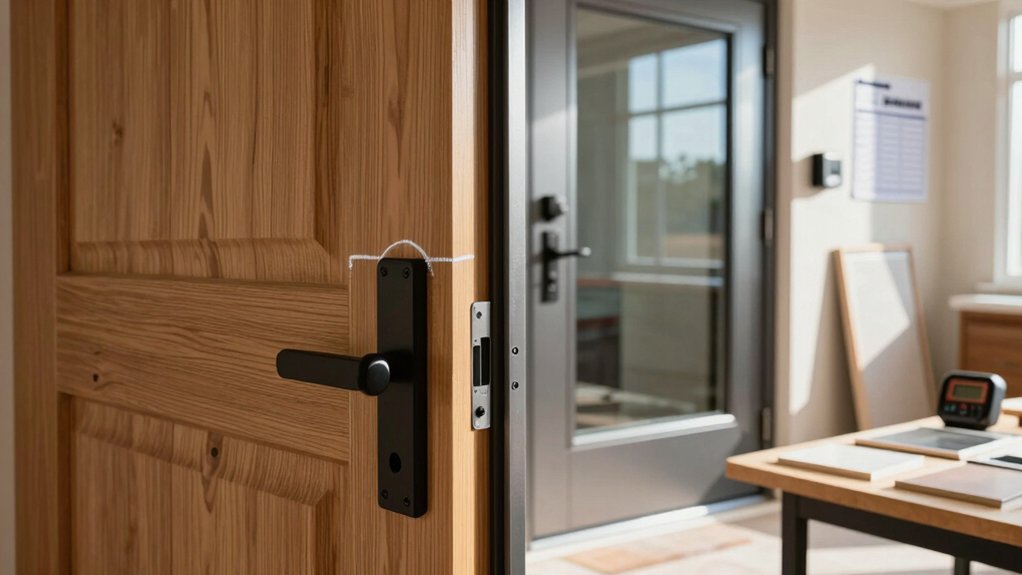
You’ll start by defining your front door needs, measuring entry width, insulation goals, and security priorities.
Next, you’ll plot a realistic budget and map procurement dates, installation timing, and potential contingencies using a simple, data-driven checklist.
Finally, you’ll create a concise plan that ties decisions to visuals—color, finish, and hardware choices—so you can compare options quickly.
Deciding Front Door Needs
Deciding what your front door needs starts with a clear, data-backed assessment of condition, use, and goals. You’ll map current performance to desired outcomes, then identify gaps that matter for daily life and curb appeal. Use a simple, repeatable checklist to stay focused and included.
- Inspect structural integrity, insulation, and weather seals to quantify energy impact.
- Define daily use patterns and accessibility needs to prioritize hardware and clearance.
- Compare color options and styling with existing exterior to guide compatibility.
- List must-have front door accessories and security features into a short, budget-conscious spec.
This data-driven approach keeps decisions collaborative, visually grounded, and aligned with belonging—so your door feels right for you and your home. door color options, front door accessories.
Budgeting And Planning Steps
Budgeting and planning your front door replacement starts with a clear project scope and a realistic cost map, so you can trade rough estimates for a precise, data-backed plan.
You’ll quantify materials, labor, and timelines using a simple worksheet, then validate with current market data and supplier quotes.
Prioritize decisions that affect value: door type, insulation, hardware, and finish.
Create a staged budget that separates essentials from optional upgrades, and build in a contingency for seasonal decorating needs or changes in paint color tips during display and styling.
Visualize outcomes with a side-by-side checklist and photos to align expectations.
This approach fosters belonging, helping you feel supported by a transparent process and confident in your planned, data-driven renovation.
Frequently Asked Questions
How Long Does a Typical Front Door Replacement Take?
Typically, it takes about a half day to a full day, depending on door material and exterior framing. You’ll see a concise installation timeline, with precise measurements, weatherproofing, and secure fit to create a visually cohesive, trusted home.
Are Permit Requirements Needed for Door Replacement?
A quick yes: building codes often require a permit for door replacement, easing the permit process when you plan to upgrade safely. You’ll feel confident as data notes compliance, visuals guide installation, and you belong in well-documented projects.
What Warranty Options Come With New Doors?
Door material options vary, but most installers include long-term warranty coverage that protects against warping, cracking, and seal failures. You’ll get confidence through quantified protections, with data-driven terms and a visually focused, belonging-oriented explanation of coverage details.
Can I Install a Door Myself or Hire a Pro?
Install it yourself or hire a pro—practical, precise pick! DIY installation saves time, but professional services boost accuracy, warranties, and weather sealing. You’ll feel confident, connected, and cared for when you choose the supported path.
How Does Door Color Impact Energy Efficiency?
Door color can influence perceived energy use via door color psychology, yet actual impact is small; choose exterior paint matching that boosts curb appeal while aligning with energy goals, reinforcing belonging, comfort, and data-driven decisions.