
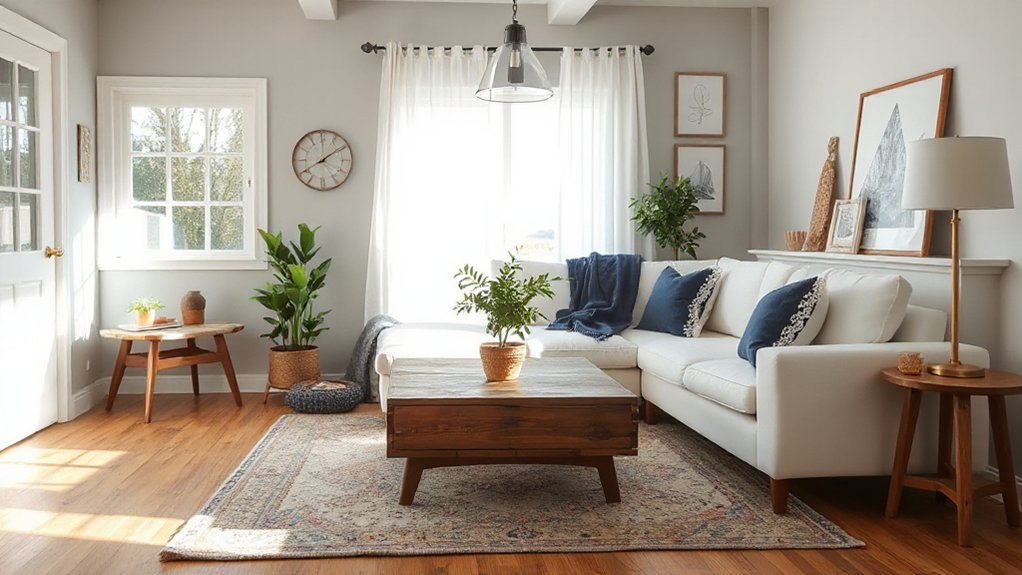
Prioritize goals and budget first. Map must-haves, nice-to-haves, and non-negotiables, then track every dollar by room and stage. Focus on high-impact, ROI-friendly upgrades like kitchens and refreshed bathrooms, and avoid overhauls that don’t move the needle. Refresh walls with low-VOC paint, layer lighting, and add affordable textiles for instant coziness. Tweak furniture placement to define zones, and use smart, budget-friendly purchases. Small, strategic updates compound into big results—keep going to uncover more practical tips.
Define Your Upgrade Goals and Budget
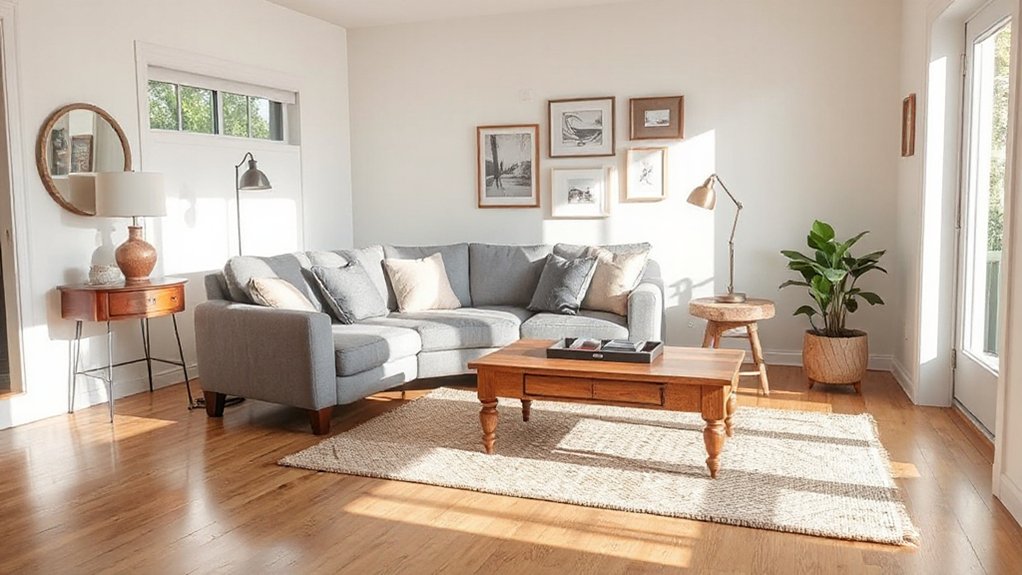
Defining your upgrade goals and budget starts with a clear picture of what matters most in your new home. You’ll align needs with finances by listing must-haves, nice-to-haves, and non-negotiables.
Start with a realistic total budget, then allocate by room and stage, tracking every dollar. Prioritize practicality: anticipated wear, maintenance, and energy costs guide smarter choices.
When you decide on material selection, weigh durability, cost, and upkeep to maximize value over time. For color coordination, pick a cohesive palette that reduces rework and supports future updates.
Use data to evaluate options—estimate per-room costs, then benchmark against similar homes. Stay flexible: revisit goals as bids unfold and supply shifts.
Clear criteria empower confident decisions, minimize regrets, and foster belonging as you shape a home that reflects you.
Prioritize Upgrades by Impact and ROI
To maximize value, you should start with high-impact upgrades that improve daily living and resale appeal.
Focus on moves with proven ROI, like updated kitchens or refreshed bathrooms, and quantify potential gains against costs.
Prioritizing these steps keeps your budget tight while boosting long-term comfort and equity.
Prioritize High-Impact Upgrades
Are you focusing your budget where it counts most? You should target high-impact upgrades that improve daily living and resale value, not cosmetic add-ons.
Prioritize changes with proven ROI, like improving lighting, upgrading fixtures, and revitalizing cabinets or countertops where costs yield durable returns.
Assess each candidate through usage data and resale potential, then rank by impact on comfort, energy efficiency, and perceived quality.
Avoid overhauls that don’t move the needle, and implement in logical steps to minimize disruption.
When planning, consider how color schemes and furniture placement influence perceived space and mood, guiding you toward efficient choices.
Execute these improvements with tight scopes, standardized materials, and measurable goals to maximize value while maintaining a welcoming, cohesive feel.
Determine Highest ROI Moves
Before spending a dime, list upgrades by expected ROI and impact on daily living, then rank them to guide decisions with data. You’ll prioritize improvements that boost value while you actually live in the space.
Start with cosmetic fixes that pay off: fresh paint in neutral tones, updated lighting, and hardware swaps.
Next, focus on functional upgrades that support daily routines, like a reworked kitchen storage or bathroom vanity refresh, only where ROI is clear.
Consider higher-effort moves only if they add tangible appeal, such as installing luxury materials accents or a cohesive color palette.
If you’re choosing investments, cap luxury moves like custom artwork to focal areas, ensuring balance with resale value.
Track costs against projected home value gains and buyer sentiment for solid, shareable results.
Freshen Walls and Ceilings With Paint
Freshening walls and ceilings with paint is one of the quickest, most cost-effective upgrades you can DIY. You’ll gain a fresh backdrop that helps rooms read larger, brighter, and more cohesive.
Start with a 5-gallon estimate for typical two- or three-bedroom spaces to guide budgeting, and choose high-coverage, low-VOC paints for better air quality.
For wall texture, consider light, even coats that minimize visible roller marks; a satin or eggshell finish reduces glare and fingerprints in high-traffic areas.
For ceiling design, a flat or matte white enhances height and reduces imperfections.
Prep matters: repair holes, wash surfaces, and tape edges to avoid bleed-through.
Track color choices with sample swatches and return on investment by measuring perceptible space changes after completion.
Elevate Lighting on a Budget
Lighting costs can be kept low while boosting room feel by smart, budget-friendly upgrades. You’ll feel more at home when lighting aligns with daily routines, not trends. Data shows brightness and color temperature impact mood and perceived space, so choose flexible options that grow with you.
1) Install a Smart bulb in key rooms for instant automation and energy savings.
2) Create a DIY fixture using affordable hardware to customize ambiance without overspending.
3) Layer light with a mix of ambient, task, and accent options to improve functionality and perceived size.
These moves keep costs predictable, encourage experimentation, and foster belonging through practical upgrades you can own. You’ll notice clearer tasks, calmer evenings, and a room that feels tailored to you.
Smart bulb and DIY fixture ideas fit neatly into a first-time buyer budget.
Refresh Textiles for Instant Coziness
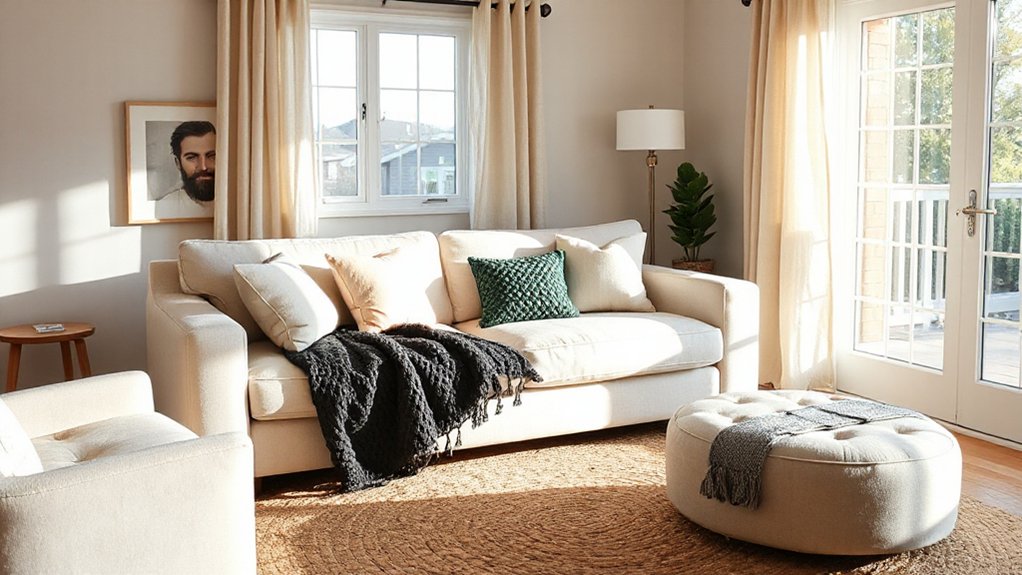
Swap in fresh textiles to reset your space quickly. Layer warmth with throws, curtains, and cushions to boost comfort without a full redo.
This practical upgrade uses simple swaps to improve perceived coziness and acoustics, with measurable impact on room feel.
Swap In Fresh Textiles
Want instant coziness? Swapping in fresh textiles updates your space without a full makeover. Focus on textile textures and color coordination to maximize impact with minimal cost.
Choose fabrics with varied textures—woven cottons, brushed knits, and smooth sateens—to add depth under budget. Align colors with existing furniture for cohesive harmony, then introduce a subtle contrast to create focal points. Prioritize durable, easy-care options to sustain long-term appeal.
1) Match textures across statement pieces and smaller textiles to reinforce a unified feel.
2) Use a restrained color palette with one accent hue to guide the eye and enhance belonging.
3) Favor quality over quantity: replace only a few items at a time for noticeable, budget-friendly transformation.
Layer Warmth With Throws
As you finish swapping in fresh textiles, layering throws adds immediate warmth and texture without a full makeover. Layer warmth is achievable with a few targeted picks: choose two or three throws in complementary colors, then mix textures like knits and fleece for dimension.
Size matters—opt for throws that drape well on sofas, chairs, and beds, avoiding bulk that overwhelms space. Fabric care matters too; machine-washable options save time and reduce ongoing costs.
Group throws by zone: living area for daily coziness, bedroom for nighttime warmth, entryway seating for a welcoming feel. Rotate seasonally to refresh the look without buying anew.
Keep measurements in mind to prevent crowding. For budget-friendly impact, prioritize durable fibers and versatile neutrals. Cozy textiles, layered thoughtfully, elevate comfort with minimal effort.
Curtains And Cushions Upgrade
Curtains and cushions are quick wins for instant coziness, offering a noticeable upgrade with minimal effort. You’ll feel the change in minutes, not weeks, by selecting textiles that balance price, style, and comfort.
Focus on curtain styles that control light and acoustics while maintaining energy efficiency, and choose cushion patterns that coordinate with existing furniture without overwhelming the room. Track results with a simple before-and-after assessment: height, fabric weight, and color harmony.
Your goal is a cohesive, welcoming space that signals belonging to visitors and yourself.
- Curtain styles that optimize light control and insulation
- Cushion patterns that echo furniture tones without clashing
- Quick swaps and layering tips for ongoing freshness
Tweak and Arrange Furniture for Maximum Impact
To maximize impact, start by arranging key furniture pieces to define each zone and create clear sightlines; focused placement makes small spaces feel larger and more cohesive. You’ll gain room-by-room clarity by prioritizing function first: sofa and seating face focal points, anchors near major pathways, and negative space left intentionally so traffic flows smoothly.
Use furniture placement to guide conversation and soft circulation, not crowd it. Introduce decorative accents to punctuate zones without clutter—think a single oversized art piece, a bold rug, or a sculptural lamp at eye level. Keep scale consistent and avoid mirroring clutter across walls.
Measure before moving, test sightlines from key seats, and adjust height and angle for comfort. This practical approach reinforces belonging while delivering efficient, affordable updates.
Tackle Big-Impact DIY Fixes for Little Cost
Smart, high-impact upgrades don’t have to break the bank. You can achieve noticeable room transformation with inexpensive, well-chosen fixes that reinforce a sense of home and belonging. Focus on enduring changes that maximize impact per dollar, guided by data on project ROI and homeowner satisfaction.
Use quick wins to establish momentum and reduce future sticker shocks. Then layer colors, textures, and lighting to reinforce cohesion.
- Refinish or swap hardware and fixtures for a fresh look with minimal mess and cost.
- Refresh walls with affordable, durable paint and strategic accent tones tied to your palette.
- Improve lighting layering (ambient, task, accent) to shift mood without full remodels.
Keywords: Cost effective decorating, DIY decor ideas. You’ll see bigger shifts from small, deliberate choices.
Find Affordable, Smart Purchases
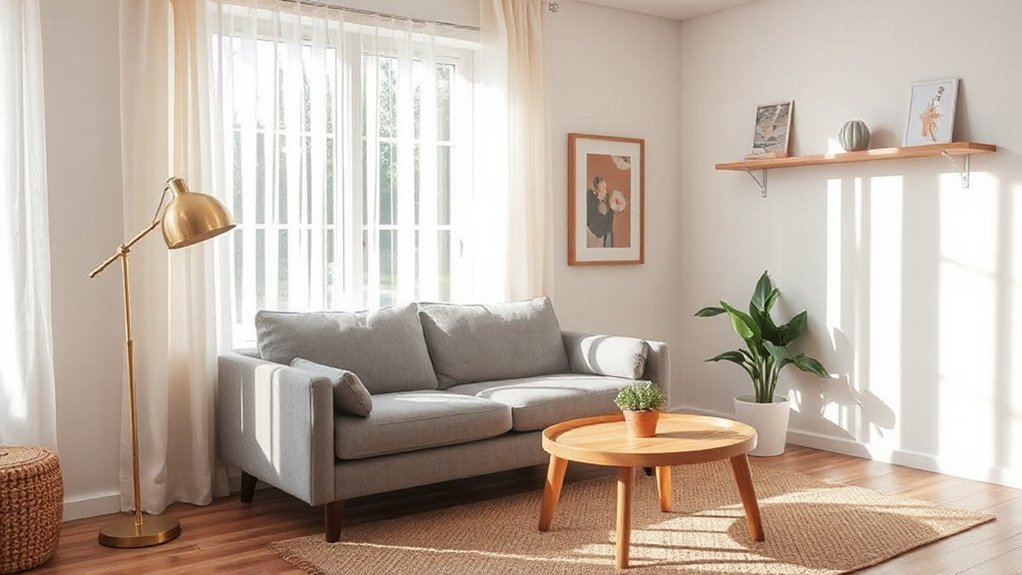
Smart shopping for interior updates means prioritizing value and impact. You’ll compare price-per-use, durability, and versatility to avoid buyer’s remorse.
For affordable, smart purchases, target items that serve multiple roles: artistic decor that elevates mood without shouting, and smart storage that hides clutter while increasing usable space.
Set a budget cap and track real costs, not just sticker prices. Favor modular furniture, affordable wall art, and lighting with adjustable warmth to change rooms quickly.
Look for secondhand finds in good condition or retail outlets with return policies. Prioritize timeless finishes over fleeting trends, so you can refresh without waste.
Choose pieces that invite friends and family to linger, creating a sense of belonging through practical, well-considered design.
Frequently Asked Questions
How Can I Measure ROI on Non-Permanent Upgrades?
You can measure ROI on non-permanent upgrades by doing a cost analysis and tracking investment over time. Start with upfront costs, estimate monthly savings or added value, then monitor changes in resale appeal or market liquidity.
Use a simple formula: ROI = (net gain from upgrade minus cost) / cost. Update your figures quarterly to refine, compare alternative projects, and keep investment tracking transparent.
This approach helps you belong through clear, data-driven decisions.
What’s a Realistic Timeline for Budget Updates?
The timeline you’re aiming for is brisk but realistic: plan over 2–6 weeks, with a tighter 1–2 weeks for quick swaps and a 4–6 week window for bigger, non-permanent updates.
Start by testing Color schemes and Furniture arrangement in rooms you use most; move fast, measure impact, and adjust.
You’ll feel a stronger sense of belonging as you finish, and data-backed tweaks keep you efficient and aligned with your budget.
How Do I Avoid Common Paint or Wallpaper Mistakes?
To avoid common paint or wallpaper mistakes, prepare thoroughly: sample colors in multiple lighting, test large swatches, and commit to a single Color selection per room.
Measure walls, calculate paint and primer needs, and choose durable finishes.
For wallpaper, study patterns and scale; avoid busy Wallpaper patterns in small spaces.
Apply paste evenly and align seams carefully.
Track results, document preferences, and iterate based on feedback to foster belonging and confident, data-driven choices.
Which Portable Lighting Options Maximize Small-Space Impact?
When space feels tight, you spark big impact with portable lighting you can move and claim as yours. Choose smart bulbs for tunable color and schedules, and LED strips to softly outline corners, shelves, and mirrors.
You’ll save energy while shaping mood and function. You’ll notice brighter rooms, fewer shadows, and a sense of belonging.
Use both strategically: dim for evenings, bright for tasks, and you’ll balance practicality with personality.
How Can I Hide Flaws Without Costly Renovations?
You can hide flaws without costly renovations by smart furniture arrangement and selective decorative accents. Start by separating spaces with rugs and choosing multi-functional pieces that draw attention away from imperfections.
Use cohesive color schemes and inconsistent textures to disguise flaws. Add mirrors to reflect light, and art to redirect focus.
Keep measurements tight, margins clean, and clutter minimal. This pragmatic approach helps you feel you belong in a polished, data-driven, comfortably styled home.
Conclusion
You don’t need a big budget to feel big results. You define your upgrade goals, you set a realistic budget, you prioritize impact, you tackle paint, lighting, textiles, and layout, you DIY smart fixes, you shop smart, you compare options, you measure outcomes, you iterate, you stay practical. Focus on value, focus on cohesion, focus on consistency. You’ll gain comfort, you’ll gain style, you’ll gain confidence—one affordable, intentional update at a time. Budget-smart, impact-rich, future-ready.