
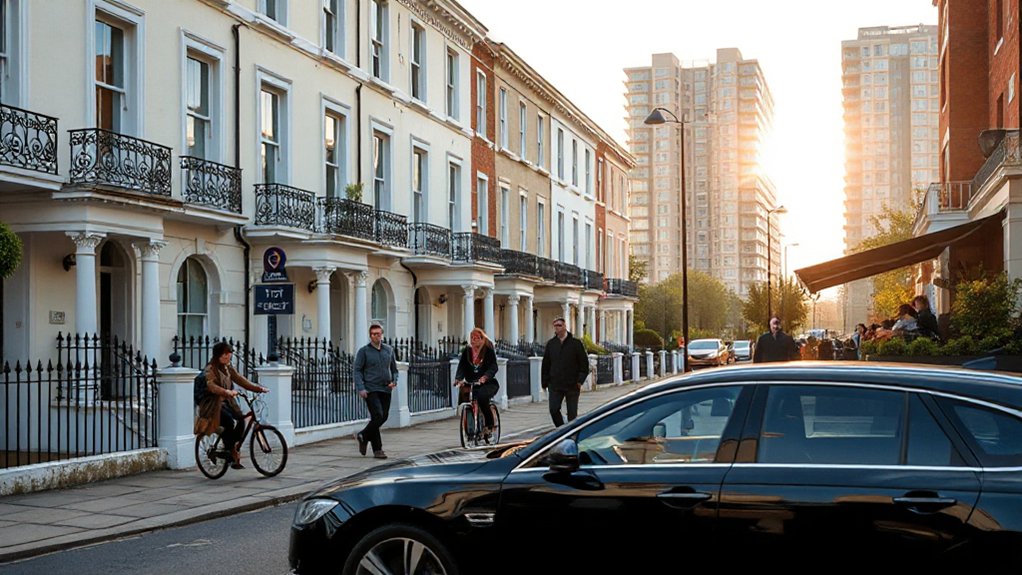
Wolverhampton remains a growing rental market because demand outpaces supply across young professionals, families, and students, especially near transit hubs. You’ll find steady absorption in central wards, supported by mid-market and Build-to-Rent projects that balance density with character. Urban renewal, upgraded streets, and better walkability boost desirability, while affordable, family-friendly options near parks and schools attract longer leases. If trends hold, you’ll see resilient rents and robust investment momentum ahead—with more details to come.
Wolverhampton Rental Market: Current Overview
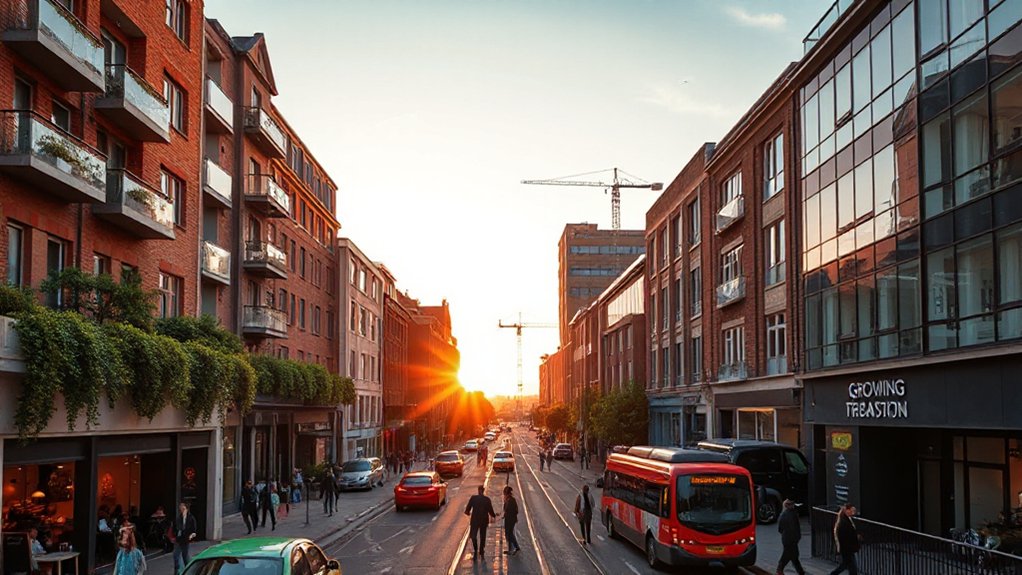
Wolverhampton’s rental market is cooling slightly from the sprint of post-pandemic demand, but fierce competition remains in prime neighborhoods. You’ll notice sensitivity to seasonality, with occupancy rates stabilizing around mid-year norms and rents aligning to measured vapor of supply.
Data shows steady absorption in central wards, supported by diversified inventory—from refurbished flats near train links to family-focused terraces in leafy enclaves.
Historical landmarks anchor desirable corridors, while Cultural festivals drive episodic spikes in short-term demand, shaping leases with flexible terms.
You seek belonging in a connected city; current indicators suggest careful navigation pays off: secure a lease before quarterly adjustments, compare graded amenities, and monitor landlord incentives.
Informed decisions translate to steadier tenancy, predictable costs, and community immersion.
Demographics Shaping Demand in Wolverhampton
You’ll notice shifting age structures and rising multi-person households reshaping demand patterns across Wolverhampton. Growth in households signals stronger rental turnover and a broader mix of unit sizes, from studios to three-bed homes.
Ethnic diversity trends are widening the range of amenity needs and neighborhood preferences, informing where you’ll see price pressure and occupancy stability.
Age Structure Shifts
Age structure is shifting in Wolverhampton, reshaping rental demand as generations diverge in housing needs. You’ll notice an ageing population influencing unit types, with more one- and two-bedroom flats appealing to singles and couples seeking affordable, low-maintenance living.
Meanwhile, demand from younger renters remains steady, but their preferences lean toward flexible leases, transit access, and social amenities that foster belonging in a connected community.
Investors are targeting mixed-use blocks that balance private space with shared areas, appealing to both downsizers and first-time renters.
Retirement communities and nearby care-enabled options are increasingly relevant for planning, even as officers and developers optimize housing to support intergenerational neighborhoods.
In short, market signals point to diversified product strategies, resilient demand, and purposeful, inclusive design.
Growth in Households
Household growth is reshaping Wolverhampton’s rental demand, with rising numbers of households outpacing population milestones and nudging mix and density strategies. You feel the shift in real-time: more small families, singles, and co-living setups share the same streets, driving unit mix toward adaptable designs and affordable options.
Data show household formation accelerating while aging cohorts slow, signaling a broader recalibration of inventory needs. Density planning tightens as clusters expand into fringe areas, yet access remains key to belonging—access to amenities, transport, and green space.
Prioritize community engagement to align supply with lived routines and preferences. Uphold Historic preservation in regenerations to preserve character while accommodating growth, reinforcing confidence among investors and residents alike.
Ethnic Diversity Trends
Ethnic diversity in Wolverhampton is shaping rental demand as migrant and minority communities expand, diversify household types, and influence preferences for location, services, and housing design. You’ll notice rising demand in multi-family and mixed-use areas where accessibility, language support, and culturally aligned amenities matter.
Data show younger households clustering near affordable rents and transit corridors, while older migrants seek sheltered moments of familiarity close to cultural hubs. Cultural festivals and neighborhood networks directly correlate with sustained occupancy in proximate districts, driving higher tenancy retention and longer-average stays.
Culinary diversity supports demand for flexible, inclusive spaces, from communal kitchens to adaptable layouts. You gain clarity on how these trends predict resilient demand, guiding informed investment, tenant outreach, and design decisions that welcome all communities.
Young Professionals Driving Rental Growth
Young professionals are driving rental growth in Wolverhampton, with tight supply and rising demand since the pandemic-era shift to flexible work. You feel the squeeze in key neighborhoods as demand clusters around transit access, coworking hubs, and building amenities that support hybrid routines.
Data shows vacancy rates dropping while average rents rise modestly, signaling sustained appetite among early-career and mid-career workers. Developments prioritizing quality and speed-to-mix—short lets, flexible leases, and modern finishes—attract this cohort, reinforcing market momentum.
Luxury apartments appeal for branding and status, while eco-friendly initiatives resonate with values and cost savings over time. You’re witnessing a market calibrated to discretion, convenience, and community, where belonging hinges on predictable performance, selective inventory, and transparent leasing.
Families Seeking Affordable Space in Wolverhampton
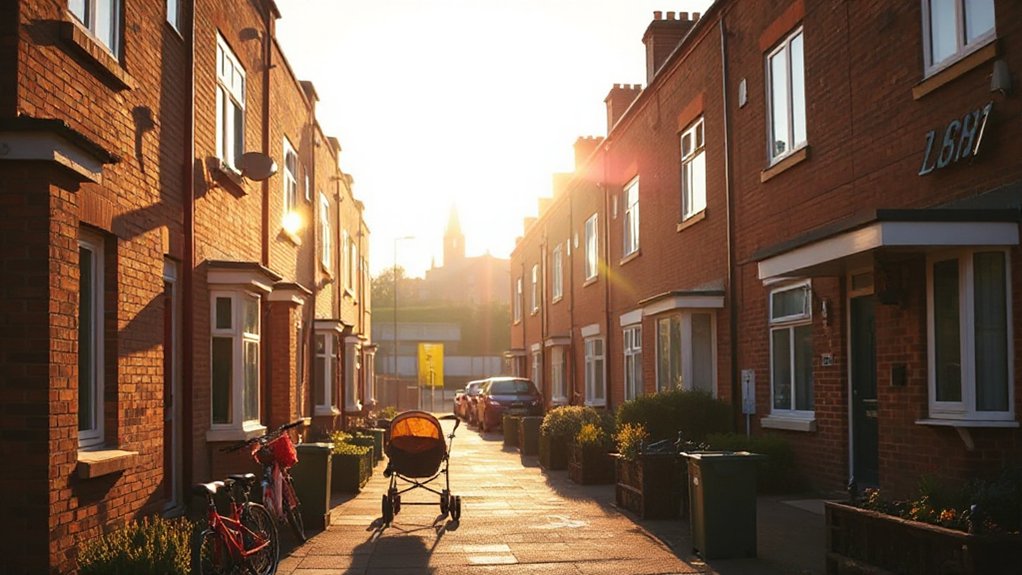
You’ll see steady demand for affordable family spaces as rents rise, with three-bedroom options increasingly prioritized in value-focused neighborhoods.
Data show growing need for space that accommodates growing family needs while keeping monthly costs predictable.
In this market, budget-friendly areas around Wolverhampton are trending as balanced choices for reliability and access to schools and amenities.
Affordable Family Spaces
You’ll see steady demand concentrated in family-friendly zones with reliable transport links and community amenities, signaling resilient rental affordability for long-term tenants.
Monthly rents in target areas lag behind broader regional spikes, while occupancy remains high, indicating stable demand and predictable yields for investors who prioritize proximity to schools, parks, and local services.
Market signals point to selective development that emphasizes larger units and adaptable layouts, not just price reductions.
If you seek belonging, focus on neighborhoods prioritizing schools, safety, and social cohesion as core drivers of affordable family spaces.
Space for Growing Needs
As families grow and budgets tighten, Wolverhampton’s rental market is adapting to larger spaces and flexible layouts that meet expanding needs. You’ll notice demand shifting toward three- and four-bedroom homes, with configuration options that support work-from-home setups and shared study areas.
Market data shows rising vacancy-adjusted turnover in mid-sized buys-to-rent zones, signaling stability for long-term tenants who value community ties.
Developers are prioritizing flexible floor plans, accessible storage, and outdoor space, aligning with trends in family-oriented amenities.
Neighborhoods featuring urban art scenes and proximity to local cuisine hubs report stronger occupancy and higher tenant satisfaction.
This combination reinforces a sense of belonging, where families feel connected, nourished, and secure while pursuing growth within Wolverhampton’s evolving urban fabric.
Budget-Friendly Neighborhoods
- pro-family streets near primary schools
- affordable terraced homes with good storage
- nearby parks and recreation for low-cost activities
- active neighborhood associations boosting community engagement
As you weigh options, balance upfront costs with long-term affordability, school catchment quality, and ongoing neighborhood initiatives.
Market signals point to continued demand from families who value belonging, predictable rents, and accessible amenities, making budget-friendly pockets a prudent, demographically resilient choice.
Wolverhampton Job Market and Income Signals
Wolverhampton’s job market has shown steady momentum, underpinned by resilient private‑sector hiring and targeted public investment that support mid-skilled roles in manufacturing, logistics, and services. You’ll see a resilient income signal, with steady wage growth aligned to local cost trends, while diversified industries cushion volatility.
Data indicate hiring resilience in logistics hubs and regional manufacturers, bolstering rental demand from workers seeking stability. You’ll notice concentration in skilled trades and service roles that pair well with commuting options and flexible work patterns.
Luxury amenities and Green spaces elevate quality of life signals, translating into longer tenures and higher workplace satisfaction. Overall, the market points to sustainable income trajectories, reinforcing confidence for renters prioritizing belonging within connected, evolving neighborhoods.
The Appeal of Smarter, Purpose-Built Rentals
You’ll see demand shift toward smarter, purpose-built rentals that pair modern living standards with on-site conveniences. Market data shows higher retention, quicker leases, and stronger app-based management in these setups.
This trend aligns with Wolverhampton’s rental demography seeking efficiency, reliability, and predictable costs.
Smarter Living Standards
What makes smarter, purpose-built rentals appealing today? You’ll notice a clear blend of efficiency, comfort, and community, backed by data on tenant preferences and occupancy stability. Smart technology and eco-friendly materials shape predictable costs, healthier living, and softer carbon footprints, driving longer commitments. You gain consistent utility savings, higher resilience, and easier maintenance that reduces downtime.
- Smart technology-enabled living: connected controls, predictive maintenance, and usage insights
- Eco-friendly materials that improve indoor air quality and durability
- Thoughtful design for communal spaces that foster belonging
- Transparent, data-driven performance dashboards for tenants and owners
Market signals show steady demand for sustainable, responsible builds, with rental yields stabilizing as routines and expectations tighten. This smarter standard elevates Wolverhampton’s appeal without sacrificing affordability.
Purpose-Built Convenience
Purpose-built rentals win favor because they put convenience at the core, aligning design, operations, and tenant needs into a seamless experience. You’ll notice how smarter layouts reduce wasted steps, while predictive maintenance minimizes downtime, keeping you productive and comfortable.
Data shows faster lease cycles and higher retention in properties that emphasize flexible floor plans, integrated tech, and on-site services.
In Wolverhampton, demand has shifted toward buildings that combine energy efficiency with resident-friendly amenities, signaling a durable upgrade in value.
The appeal goes beyond cost: a sense of belonging comes from social spaces, responsive management, and sustainable energy practices.
Urban agriculture initiatives and community hubs reinforce local ties, making your rental feel like a connected, forward-thinking home.
Neighborhood Refreshes Attracting Tenants in Wolverhampton
Neighborhood refreshes are boosting Wolverhampton’s appeal to renters, with updated facades, improved street amenities, and modernized unit interiors driving faster tenant turnover and higher asking rents.
- Urban renewal projects align housing stock with renter expectations, lifting occupancy and value
- Cultural festivals create micro-cycles of demand, as short-term visitors convert to long-term tenants
- Updated common areas and energy-efficient systems reduce vacancy windows and commission-ready leasing
- Mixed-use conversions foster vibrant streetscapes that attract diverse households
You’ll notice stronger tenant retention when neighborhoods emphasize walkability, safety, and communal spaces. Data shows price per square foot climbs where revitalization pairs with locally resonant culture.
Market signals suggest developers should prioritize authentic upgrades over cosmetic fixes to sustain long-term growth. Belonging emerges as tenants seek connected communities, not just apartments.
Urban renewal and cultural festivals together shape Wolverhampton’s rental trajectory.
Connectivity and Transport as Rental Magnets
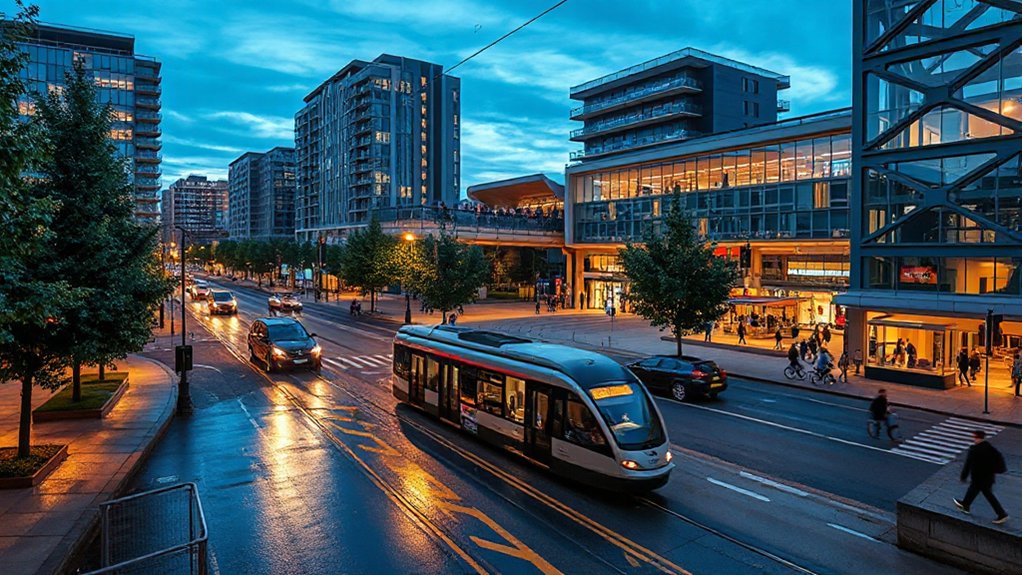
As Wolverhampton’s refreshed neighborhoods attract tenants on the back of better facades and amenities, robust transport links and easy mobility become the next differentiator. You’ll notice how connectivity shapes rental demand: rapid upgrades to bus corridors, improved rail frequency, and expanded cycling routes translate into shorter commutes and happier tenants.
Data shows consistent occupancy gains where access to Wolverhampton Station and surrounding hubs improves, while new bus rapid transit pilots push average journey times down.
Market signals indicate that tenants value predictable, affordable travel to work centers, leisure districts, and cultural hubs. Historical architecture and Cultural festivals, once weekend novelties, now anchor demand by boosting neighborhood identity and weekend footfall, reinforcing why well-connected areas sustain premium rents.
Student and Graduate Demand in Wolverhampton
Student housing demand in Wolverhampton remains resilient, with steady occupancy and rising rents tied to growing student populations and targeted amenity packages.
Graduate rental trends show tighter markets near campus corridors and transit hubs, driven by higher earners seeking convenience and longer lease durations.
The on-campus proximity appeal continues to shape price dispersion and vacancy timing, as students and grads favor dwellings that minimize commute costs and maximize study time.
Student Housing Demand
What drives demand for student and graduate housing in Wolverhampton right now? You’re part of a growing community where enrollment and arrivals push up occupancy, while job-ready programs attract newcomers seeking affordable, flexible living.
Data shows stable vacancy compression near campus, supported by strong rental income potential and responsive property teams. You’ll notice preferences shifting toward purpose-built options, utilities included, and reliable maintenance to minimize disruption during term-time.
- Consistent demand from near-campus blocks and PBIs
- Clear emphasis on property maintenance and rapid repairs
- Compliance with rental regulations shaping lease terms
- Residents valuing sense of belonging and community spaces
This market stays resilient as students seek value, safety, and streamlined experiences within Wolverhampton’s evolving student ecosystem.
Graduate Rental Trends
You’ll notice a shift toward longer tenancies, supported by practical rental stability and predictable turnover cycles. This aligns with graduate aspirations that favor communities offering access to networks, transport, and core amenities.
Data indicates higher re-leasing rates in well-connected zones, reflecting confidence in Wolverhampton’s employment pipelines and lower vacancy risk.
Market signals point to resilient occupancy through seasonal shifts, even as supply grows with purpose-built options.
If you’re evaluating where to invest or live, this trend highlights cohesive neighborhoods that deliver belonging, stability, and a balanced, outcome-focused rental experience.
On-Campus Proximity Appeal
On-campus proximity in Wolverhampton boosts appeal for both students and graduates, with data showing higher occupancy and quicker turnover in areas adjacent to university facilities and major transport links. You’ll notice demand concentrates near campus hubs, where convenience meets opportunity.
Campus amenities and study environments closely align with renter preferences, driving longer leases and higher renewal rates. Market signals show tighter vacancy cycles in these corridors, even as overall market supply expands.
- Proximity-driven demand for campus amenities
- Elevated occupancy around study environments
- Faster turnover linked to transport access
- Stronger renewal propensity in campus-adjacent areas
These patterns underscore a targeted strategy: prioritize properties near the university and transit lines to capture ongoing student and graduate demand, ensuring consistency and community feel.
Local Investment Trends and Development Pipelines
Local investment in Wolverhampton’s rental market has accelerated as developers target mid-market schemes and Build-to-Rent projects near transport hubs. While lenders tilt toward well‑detailed, unit‑dense pipelines.
You’ll notice a data-driven shift toward diversified portfolios that balance family-sized units with compact flats, supported by robust planning frameworks and shared amenities.
Market signals show steady capex in transit-adjacent sites, with incumbents prioritizing mid-market rent bands that attract long-term tenancy and stable yields.
Development pipelines emphasize retrofit of historic blocks alongside new-build infill, enhancing density without eroding character.
Historical architecture and cultural festivals remain anchors, influencing design codes and amenity strategies.
You feel a sense of belonging as projects align with local demand, workforce mobility, and a forward-looking, community-centric growth trajectory.
Supply Dynamics: Wolverhampton New Builds vs. Existing Stock
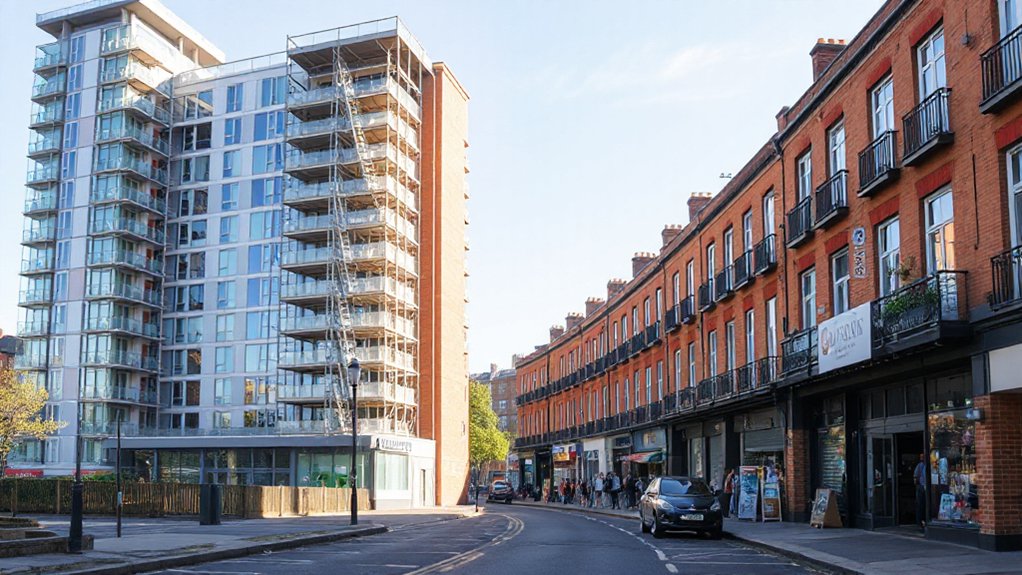
Wolverhampton’s supply balance is increasingly defined by how new-build projects line up against the stock that already exists, with several momentum drivers shaping the mix. You’re seeing a measurable push toward balanced growth, where architectural diversity and timing dictate rental choice, quality, and pace.
Historical architecture remains a draw, while modern schemes deliver efficiency gains and predictable rents. Green spaces feature prominently in planning, boosting appeal for long-term stays and community belonging.
- New builds aim to complement, not replace, existing neighborhoods
- Density strategies balance heritage districts with modern demand
- Green space integration correlates with higher retention and tenant satisfaction
- Vacancy risk declines as developers align with proven local rhythms and needs
Wolverhampton Rental Affordability and Rent Levels
Rental affordability in Wolverhampton remains tightly tethered to wage growth and the shifting rental cadence of both new-builds and established stock. You’ll see rents mirroring local incomes, with modest year-over-year increases amid a steady supply mix and steady demand.
Market volatility influences quarterly swings, yet overall affordability tightens where wages lag behind steep rent trajectories. In practice, you’ll notice pockets of relief in newer units offering competitive terms and flexible leases, while older stock retains premium pricing in sought-after neighborhoods.
Rental regulations are shaping lease structures and transparency, helping you compare costs more clearly. If you’re budgeting, model scenarios for income growth, seasonal demand, and policy shifts to forecast affordability paths without overreliance on any single driver.
Yields and Risk for Wolverhampton Landlords
Yields in Wolverhampton have risen with rental demand, yet risk remains tempered by a steady supply pipeline and disciplined debt costs. For landlords, the key is balancing cap rates with a prudent leverage stance. You’ll see stable occupancy supporting cash flow, but landlord challenges persist as operating costs tick up and financing costs swing with markets.
Tenant retention becomes a differentiator when cap rates compress, so selective tenant targeting and proactive communication matter. The data show modest yield expansion against a backdrop of prudent debt, improving resilience in downturns.
Stay focused on cost control, portfolio diversification, and timely risk review to protect margins and share in ongoing growth.
- Cost control and efficiency gains
- Strategic refinancing opportunities
- Tenant retention as a value driver
- Portfolio risk monitoring and diversification
Tenant Amenities: What Renters Want Most
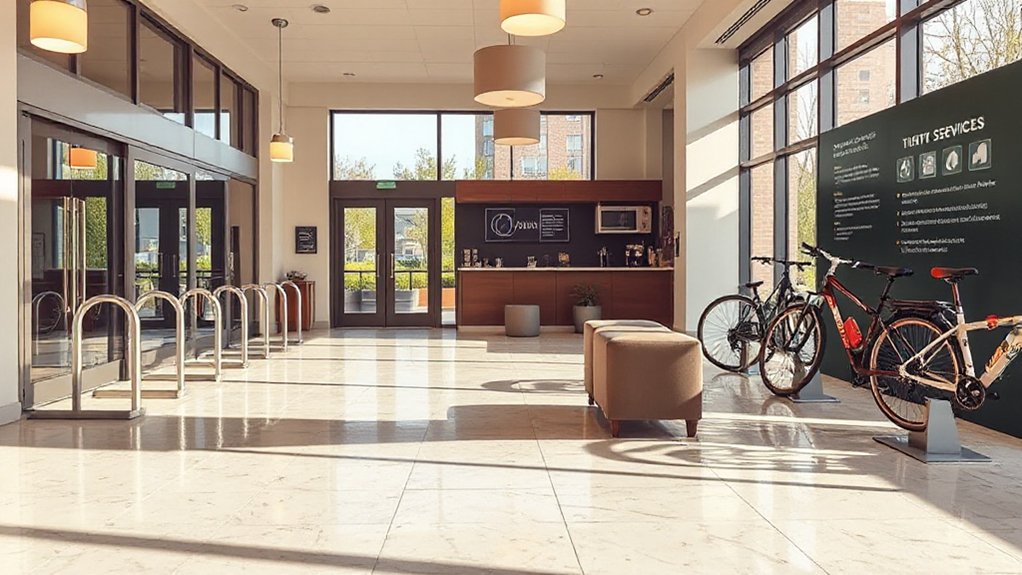
With renters tightening conditions on value, the amenities that tip the balance in Wolverhampton exits are shifting toward practical, cost-saving features and modern conveniences. You’re prioritizing spaces that cut monthly costs, like efficient heating, reliable broadband, and smart controls, because those details translate to real savings and comfort.
Data show demand clustering around in-unit laundry, secure bike storage, and flexible work-ready nooks, echoing a broader move toward versatility. Tenants seek predictable costs, transparent upkeep, and responsive property management that builds trust.
Lease flexibility becomes a differentiator; options like short-term renewals, subletting clarity, and scalable lease terms boost tenant happiness by reducing commitment anxiety.
Financing and Incentives for Wolverhampton Developers
What financing options and incentives are most likely to accelerate Wolverhampton development pace while maximizing returns? You’ll find that targeted financing incentives, investor-friendly timelines, and streamlined approvals *release* momentum, while careful risk-adjusted pricing sustains long-term profitability.
In Wolverhampton, data shows that accessible developer funding paired with tax-advantaged schemes translates into faster project delivery and higher yield per square foot.
- Financing incentives that align debt tenor with rent roll lift
- Fast-track approvals and supportive planning conditions
- Public–private partnerships for mixed-use, with shared upside
- Graded incentives tied to performance metrics and local employment
This approach strengthens market confidence, attracts diverse capital, and reinforces your sense of belonging in a thriving, data-driven community.
How Wolverhampton Compares With Nearby Markets
Wolverhampton sits in a competitive corridor of the West Midlands, where pace and pricing hinge on proximity to Birmingham and evolving transport links. You’ll see that rental yields here track a step behind Birmingham’s core markets but pull ahead of smaller neighboring towns, creating a balanced risk-return profile.
In recent quarters, higher-occupancy submarkets reflect sustained demand from professionals and students seeking value with quick commutes. Luxury amenities increasingly differentiate newer builds, though market saturation remains a moderating force in some pockets.
Compared with adjacent cities, Wolverhampton offers tighter pricing growth but stronger occupancy stability, aided by university demand and regeneration projects. You gain belonging through tangible access to improving infrastructure, while pricing remains a touch more conservative than Birmingham’s premium cohorts.
Wolverhampton Rental Hotspots and the Next 12–24 Months
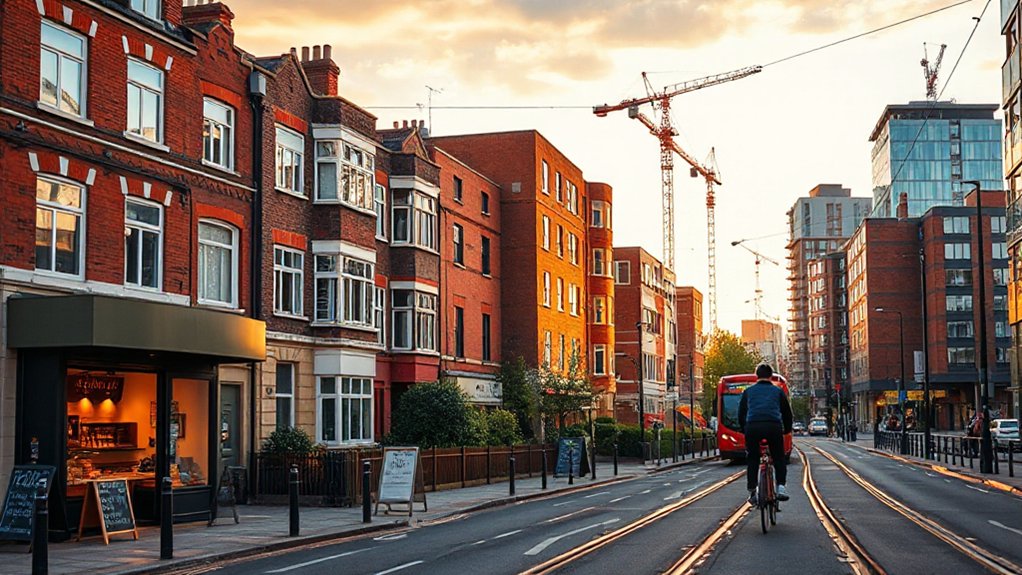
Over the next 12–24 months, hotspots in Wolverhampton will cluster around areas with strong transport links, university spillover, and ongoing regeneration—all drivers you’ll want to monitor for risk-adjusted returns.
You’ll see demand concentrating where access is fastest, campuses energize nearby rentals, and redevelopment open up new stock and amenities.
Historical housing trends show steady price confidence in core corridors, while still offering value in fringe zones with planned upgrades.
Cultural festival impacts will amplify seasonal occupancy, shaping short-term yield cycles.
Expect data-driven shifts as network effects solidify core neighborhoods and emerging hotspots.
Stay tuned to policy pivots and regeneration speeds to calibrate your portfolio toward sustainable growth.
- Transport-linked cores
- University spillovers
- Regeneration-led stock
- Festival-driven demand spikes
Frequently Asked Questions
How Do Seasonal Trends Affect Wolverhampton Rental Demand Mid-Year?
Seasonal fluctuations raise mid year demand in Wolverhampton, you’ll notice more inquiries and faster leases. You respond with flexible viewing slots, adapt pricing cautiously, and align marketing to school breaks and local events, reinforcing belonging while data guides decisions.
Which Landlord Incentives Yield the Best Short-Term Returns Here?
Landlord incentives yield the best short term gains here, especially targeted rent discounts and flexible lease terms. You’ll see faster occupancy, steadier cash flow, and data-driven confidence, fostering belonging as your portfolio tightens with Wolverhampton’s trend-driven rental demand.
What Unseen Risks Impact Tenancy Stability in Wolverhampton?
Ever wondered what unseen risks threaten tenancy stability in Wolverhampton? You face tenant screening gaps and uneven property maintenance; address these with proactive checks, data-driven trends, and community-minded practices to boost steady occupancy and belonging.
How Does Local Policy Affect Rental Pricing Transparency?
Policy changes boost rental pricing transparency: you’ll see clearer rent caps and licensing rules, driving steadier deals. Property taxes and Licensing regulations shape costs, guiding you toward predictable options and a tighter, data-driven market that reinforces belonging.
Which Niche Rental Segments Show Hidden Growth in Wolverhampton?
Student accommodation and Corporate rentals show hidden growth in Wolverhampton, driven by influxes, flexible leases, and upgraded facilities. You’ll notice demand tightening, pricing trends rising softly, and community-oriented amenities boosting loyalty among tenants seeking belonging and predictability.
Conclusion
You’re seeing Wolverhampton’s rental story unfold, driven by steady job growth, affordable housing, and a steady stream of young professionals. Demand data shows resilient leasing velocity and rising rents, with families chasing space and access to Midlands networks. Amenities matter—fast connectivity, green spaces, and parking move the needle. Across nearby markets, vacancy stays tight enough to support rent growth, but moderation is in sight. In short, opportunities are ripening, and the market remains a wind at your back. It’s time to ride the wave.